
On Episode 81, he played us a few exclusive live performances including some of his new original songs: “Words for the Weekend” and “In the Dark.” Houston was also recently featured on the Agents of Innovation’s YouTube channel with our “update from Houston Keen,” in June 2020.
During his time in Austin, he said, “I learned how to slow down and not talk so fast and don’t play the song so fast and not everything has to be punk rock. I think I just became more dimensional as an artist.” He also got featured gigs on local radio and television stations in Austin. “It’s good people in Texas. Good brisket too.”
“I learned what it was like to live as a musician, just paying bills with music,” said Keen. He spent most of his time playing live gigs, not spending any time in the studio or investing in any new content. “I’m 25 now but I’m staring at 30 – and I know it’s a good way’s away and it sounds ridiculous to say but that’s the way you have to think. I have to get up with a purpose and that’s what I really thrive on. So, I felt like I was spinning my wheels.”
When he came back to Chiefland, he got a 40-hour a week construction job and plays 3 or 4 gigs a week. “I’m out there trying to grab all the cash that I can and reinvest it into the business. If I’m going to achieve my goals you have to constantly be the restless entrepreneur,” he said. “I don’t sleep anymore but I’m going to the studio all the time, we’re releasing new content, and things are good.”
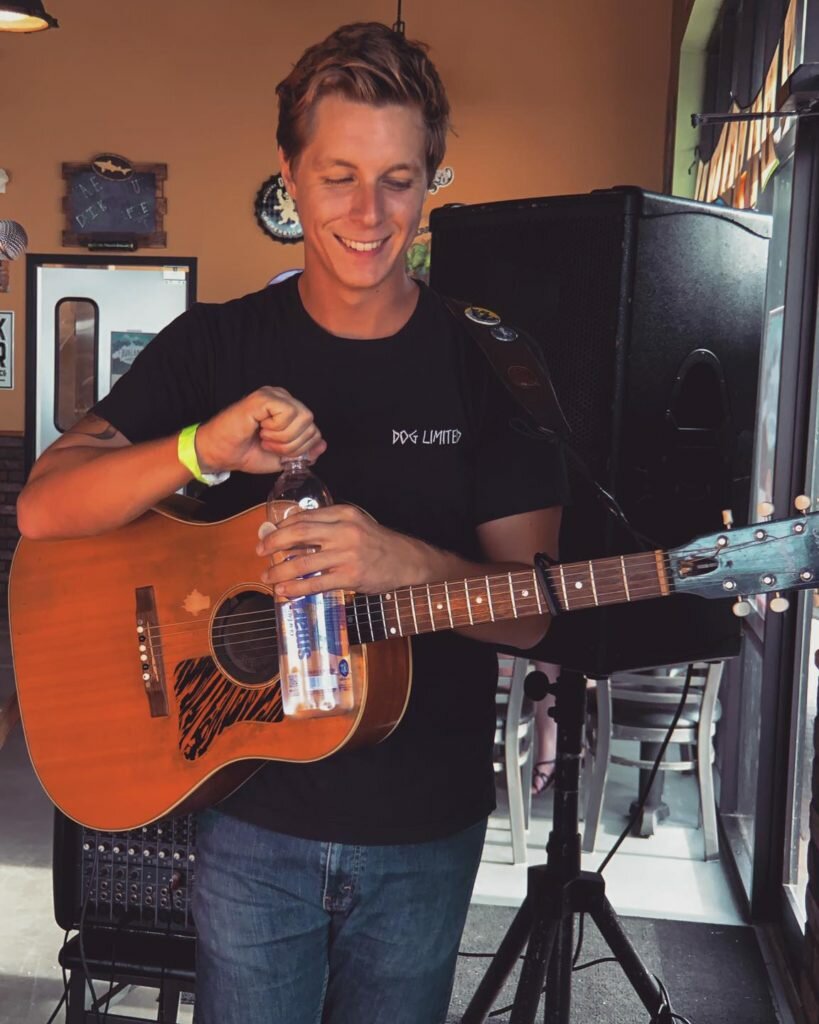
Keen is also focused on getting consistent gigs in specific geographic areas – for him that’s places like Jacksonville, St. Augustine, Fernandina Beach, Orlando, Tampa, and other cities near Chiefland, like Gainesville, Steinhatchee, and Cedar Key, where he played his very first gig as a teenager. He’s also making plans to expand his reach across the Southeast United States.
“You don’t even need a record label,” said Keen. “I’ve always preached that the internet is the new record label. You grow that through the content and the community.”
Houston is now consider starting his own booking agency to help other artists get gigs, particularly with some of the venues he has built relationships over time. “We are just trying to get people work,” he said. “We are going to try to help you make $150 or $200 if you help us make $15 or $20.”
He also provides all of his music for free online and hopes people will support him by buying the album after they’ve listened to it or by attending his live shows. For young, independent artists like him, who plays many small towns in north and central Florida, he has been able to find plenty of gigs at small restaurants and bars, despite COVID.

He describes his forthcoming EP album Warmer Era as a summer feel in the fall, a five-song album with a “post-summer” adventure. Some lyrics may even be inspired by the craziness of 2020, such as this one: “I hope for summer weather even though we barely held it together.”
As a songwriter, he is also expanding on some of his prose and is in the early stages of writing a novel. “The thing about songs is it’s freeing … but you’re so trapped in this line space … and I can’t make it over three and a half minutes,” he said. “I love writing. I think if you’re able to speak well and you’re able to write well, you’re able to think well.”
Part of his marketing strategy, and one that many artists are practicing now, is to release individual songs one-by-one, including songs released simply as singles and separate from albums. One of those standalone singles is “In the Dark.” It is a very mature country music song. “What you have to look at is what the world is looking at,” he said.
Keen has a lot of experience, despite only being 25 years old. Part of that reason is the fact he did not attend college. He spent his time developing his music and working to develop relationships and earn gigs in a wide variety of locations from Florida to Texas.
“I think that college opens many doorways and it allows for you to meet a lot of people that you normally wouldn’t,” said Keen. “But I also think that if college is the daytime job and the bars are where everyone hangs out, then why spend money on tuition? If you’re going there for that purpose, then go to the bars and hang out. If you’re a musician especially, or an artist, perhaps you build a community within the bars and that’s how you earn your friends. Then you’re not limited to college kids, but you have college kid friends and then you have adult friends.”
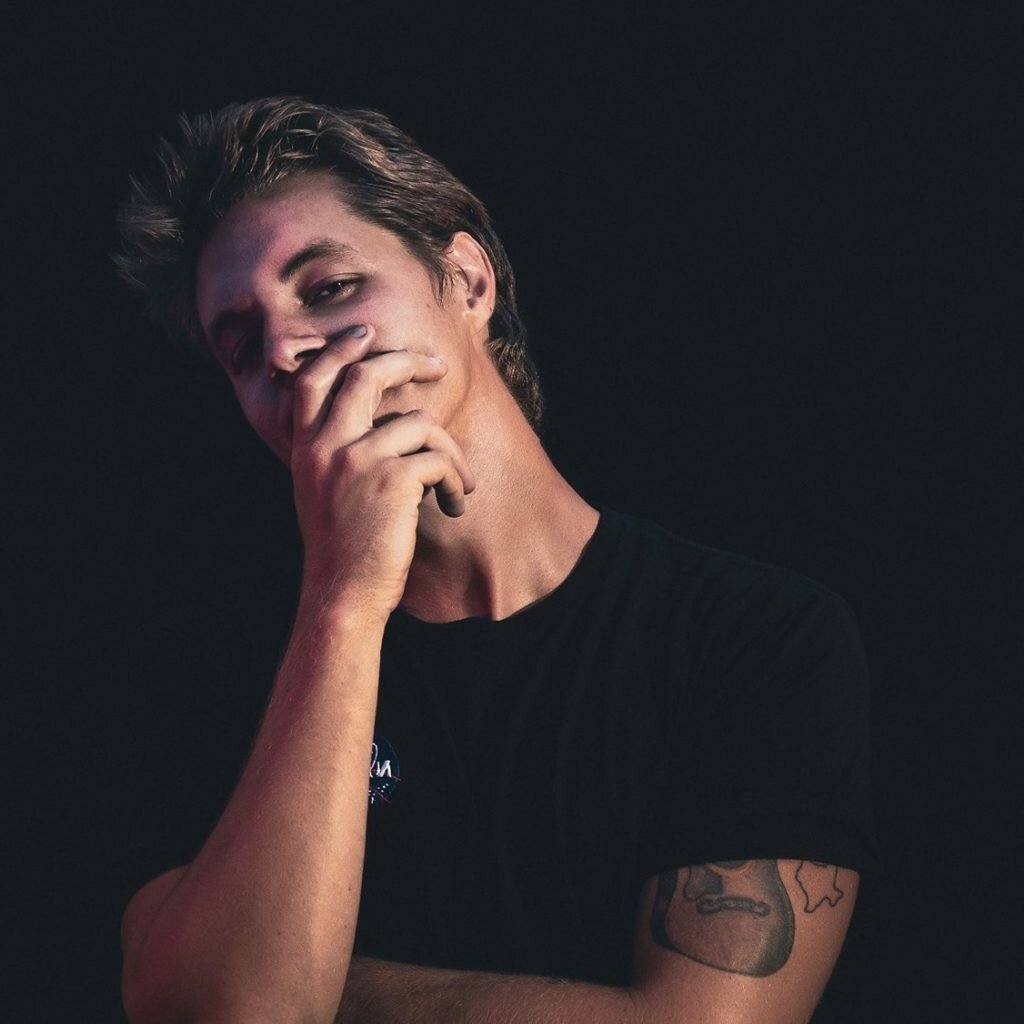
This worked out for Houston living just 45 minutes from the college town of Gainesville, Florida. He described having friends who are teenagers and others who are in their 60s and 70s. “We are all tied together through an artistry,” he said.
If you do go to college, he said, don’t go for music. Instead, he suggested mastering the business aspect: perhaps studying marketing, graphic design, or videography, as some ideas. “Some people go to college for the idea,” said Keen. “But I think they get so caught up in it, they lose something. For what they gain I think they lose a lot.”
“You have to have something you hold, something that you’re working towards, get up and do. And it doesn’t have to be a piece of paper at college, it could be your own business.”
You can listen to the full interview on Episode 81 of the Agents of Innovation podcast, on Apple podcasts, Amazon podcasts, Stitcher, and SoundCloud. You can also follow the podcast on Facebook, Instagram, or Twitter.
Please consider supporting the Agents of Innovation community by becoming a member of our Patreon page today, starting at just $5.00 a month!
]]>“I wanted to be in a band,” said Wiley. “I wanted that brotherhood of traveling in a band. When you are a side man you get to create, but it’s all in the confines of other people’s music.”
In 2013, he got his wish when he was discovered by Melodime and was picked up as their lead guitarist. He met their keyboardist, Sammy Duis, one night while both were picked up to play in a cover band at a gig in Silver Spring, Maryland. They played off each other well and a few days later Sammy sent Jon an email letting him know about their band, Melodime, and that they were looking for a guitar player.
While they invited Wiley in for an audition, in many ways his first audition was right there on stage when Sammy Duis first played with him by happenstance.
“Anytime you are performing for people, if you are serious about your craft you have to view every single performance as a possible audition,” said Wiley. “You never know who is going to be in that crowd.”
The full band of Melodime, including Wiley, were all on the Agents of Innovation podcast together back on episode 9 in 2015. During that interview they told us how the two brothers in the band, Sammy and Tyler Duis had formed the band with Brad Rhodes, the lead singer, shortly after they graduated high school. They went through a few guitar players before they found Jon Wiley to join them in 2013.
It was at that point that the band was about to release their album, Where the Saints and Sinners Collide. Jon told us that when he heard the first track, “Halo,” he was excited and said, “I think I’m in.” Within months, they were playing for the first time on The Rock Boat in the early part of 2014. Their fan base continued to grow exponentially and they were invited back on the next four consecutive Rock Boats and again for their sixth one in January 2020.
Over the past year, the band came together to discuss their future. Three of the guys, including Wiley, are now married. The two Duis brothers also have kids. Touring is grueling and these guys spent many years on the road.
“I think it was just time for a change,” said Wiley. “It was one of those things, we sat down … just kind of looked around the room, looked at each other, and realized it was running out of gas.”
After the bandmates had the discussion to bring Melodime to a close, he revisited a song he wrote a decade ago, when he was 22 years old, titled “Whiskey.” He updated it, sang the song himself, and used Garage Band to fill out the sound. “Growing up I always wrote and never sang,” said Wiley. He stopped writing because all of his time was focused on learning other people’s music and being a better guitar player. He started doing solo gigs at bars and learning to sing harmony in gigs with other bands.
Within weeks after coming off another successful Rock Boat experience, Melodime sent along an announcement that after 14 years as a band, 7+ albums, and over 1,000 shows, they would be hanging it up, with each of the band members prepared for new ventures. Days later, Wiley announced that he was forming a new band, this time as a lead singer and guitarist, with some familiar friends in Virginia: Brian Barbre, Joanna Smith, Eddie Dickerson, and Thomas Johnson. Together, they are: Jon Tyler Wiley and His Virginia Choir.
“I’ve been playing with them in those pickup bar gigs for years,” said Wiley. Over the years, when they were all home and off the road, they would often hang out by playing local cover band gigs together. Wiley was usually on guitar, but sometimes he sang.
Over the past number of months, he has gotten back not only to being a lead singer, but also songwriting, something he hung up many years ago.
“In retrospect, I was afraid” to be a songwriter, he said. “Because you’re bearing your soul … I look back and I recognize that as fear.”

Within weeks of Jon Tyler Wiley and the Virginia Choir making a public announcement about their new band and releasing their first tour dates, the COVID19 pandemic hit the world and the United States. Everyone, including musicians, locked down. This has been tough on the entire music community, but an additional challenge for a group who was just preparing their first tour and releasing new music along the way.
“The whole music community is beyond hurting right now,” said Wiley. “When someone becomes a musician it’s because that call has been planted in their very being – to go out and write and/or perform music,” he said. “So, for that to be taken away, that’s a huge hole in people’s lives.”
“There’s a lot of different emotions involved. There’s a sense that you feel incomplete,” he said. “But also, I don’t want to complain and pout because people are freaking dying.”
Musicians are struggling not only with not having this outlet of playing for others in live shows, but also there’s an economic situation that puts them in bind. Especially in an era where less money is made on albums and more is made on live shows, being shut down in the age of digital music hurts the wallet even more.
For Wiley, he has always had another job when he’s off the road: teaching music lessons. He is a “Teaching Artist” at Walter Reed Hospital in Washington, DC, through an organization called MusiCorps. – a music rehabilitation program that helps wounded warriors play music and recover their lives.
Wiley spoke to us about the feeling of loneliness many injured veterans have being in that hospital every day. Many struggle with depression and addiction. “A military hospital can be a very dark place,” he said. During normal times, Wiley teaches them on-site at the hospital. During the pandemic, he has been able to teach them online over Zoom.
Wiley is looking forward to getting back out there to play live music. He is hopeful that will resume near the end of August for their next planned show (that hasn’t yet been canceled) at the City Winery in Washington, DC. He also plans to play as part of Melodime’s “farewell” show (originally scheduled for June) which is now scheduled for October 3 at the State Theatre in Falls Church, Virginia.
And once the pandemic is over, he believes “there’s going to be a renaissance of creation” to be released to the public. There has been a lot of writing and creating while artists are staying home to slow the spread.
Thanks to technology, music can even be created while bandmates and artists are isolated from one another. “I would much rather be working with my band in person,” said Wiley. “But we will take what we can get. I have one skill set and so I’m going to milk the hell out of this as long as I can.”
You can listen to the full interview with Jon Tyler Wiley by tuning into Episode 76 of the Agents of Innovation podcast on Apple podcasts, Google podcasts, Stitcher, and SoundCloud. You can also follow the podcast on Facebook, Instagram, or Twitter. We welcome your comments below and encourage you to write a review on Apple podcasts!
]]>Before he formed a band, he wanted to become an actor. However, before he started acting, he was a high school football player.
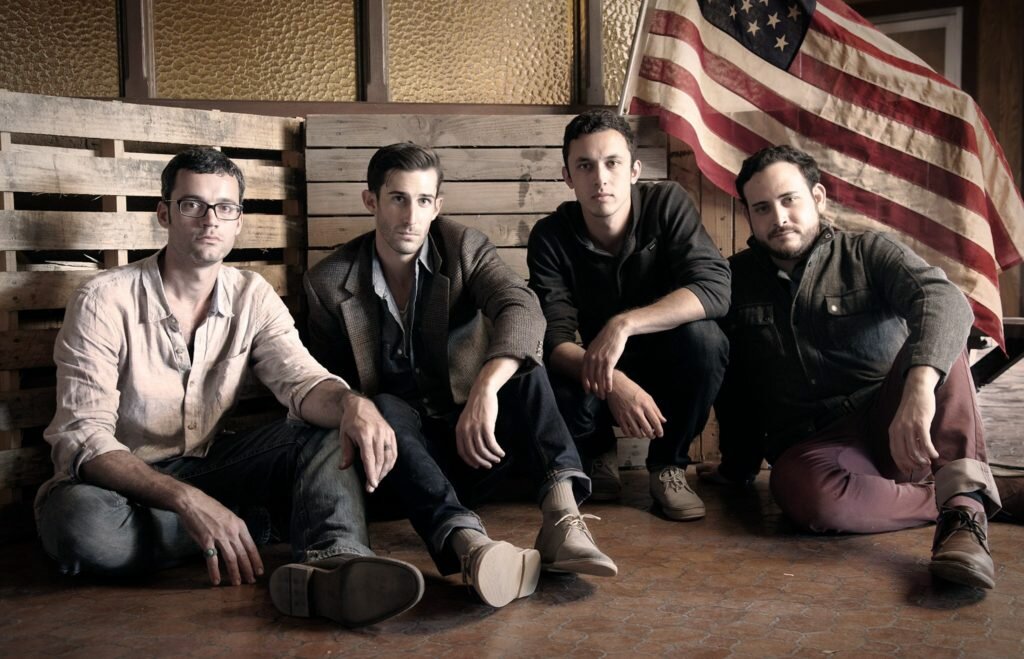
“Theater was not what I wanted to do,” he said. His school football career was ended when he tore his labrum in his hip. It was then that he took theater as an elective. The theater teacher took a liking to him and would persuade him to consider roles in various productions. He was good and enjoyed doing this, including singing in musicals on stage, and working with vocal coaches to improve.
“It’s weird how life works,” said Damn. He advised our listeners to be open to “shifting when things need to shift” and to “be fluid when you need to be fluid.”
During college, Damm continued to pursue acting and was involved in various student films, where he took on a role of writing film scores. He and his friend Michael Jones then formed the band, The Brevet.
In their early years as a band, The Brevet played very few live shows and instead focused on writing songs for films and commercial licensing, where they achieved much success. At this point he said, “I’m not writing jingles … I’m just writing songs that I feel with my acting background could fit in television and film.”
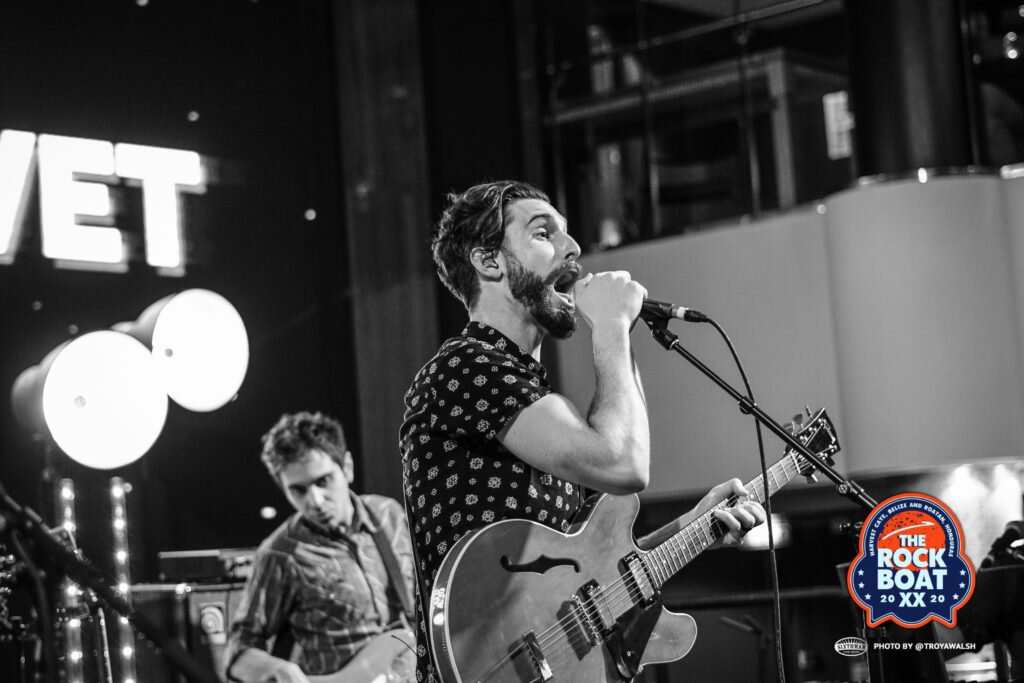
But then, in 2016, they were invited to play The Rock Boat, which bills itself as “the world’s greatest floating music festival.” It was there that they encountered so many live music fans and felt called to transition to playing more live music shows. Following that experience, they picked up a new lead guitarist, John Kingsley, who helped them deliver a better live music experience for their growing base of fans. They were invited back on The Rock Boat in 2020 and many fans felts like they experienced an even better, more improved set of performances from The Brevet.
The biggest thing that Aric Damm has brought to The Brevet from his other experiences in theater, film, and the arts is storytelling, which he also learned from his dad. “I grew up in a creative family and watched how [my dad] told stories through painting.”
While The Brevet hits the road to tour, Aric Damm offsets his time on the road with writing and also as a certified personal fitness trainer for a gym called F45.
“It’s a breath of fresh air for me,” said Damm. “I go through ebbs and flows. I’ll be super, super into writing and I’ll want to do a bunch and then, at times, I want to take a step back and I’m not as inspired as I’d like to be so I kind of put it on the backburner.”
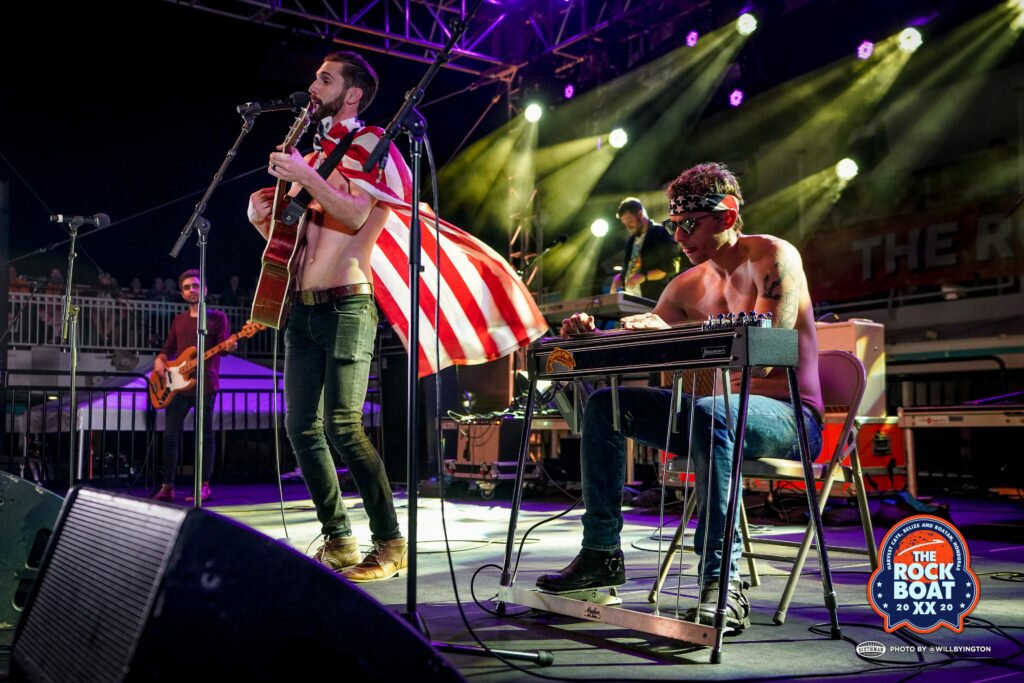
He also takes his fitness on the road. “Clearing your mind, I think it’s a really healthy thing – to have a balance and focusing on health and getting blood flowing in the morning – is an important thing for me.”
Damm is also a history buff and has a particular interest in the American Revolution and Civil War. In fact, the name “The Brevet” refers to a military rank awarded to individuals who went above and beyond the call of duty without any expectation of extra monetary compensation. They took on this name because they believe “The Brevet traditionally act out of their passion for and dedication to music.”
The hard work ethic Damm has was formed in his first two jobs as a teenager, including at an ice cream store and then while working a construction job in the summer with his grandparents’ company. “Learning that trait of actual hard labor and what it takes to get a paycheck, understand what your value of money actually is … that’s the hard work you have to put in to get that – it just kind of put me in a mindset of how hard I need to work in order to get what I want in life,” said Damm. “It taught me a foundational skill and not taking things for granted and understanding what it takes – an appreciation and gratitude, and nothing comes for free, and nothing is given to you, and if you do have an opportunity and something falls into your lap, be grateful for it instead of focusing on the negative of what you don’t have.”
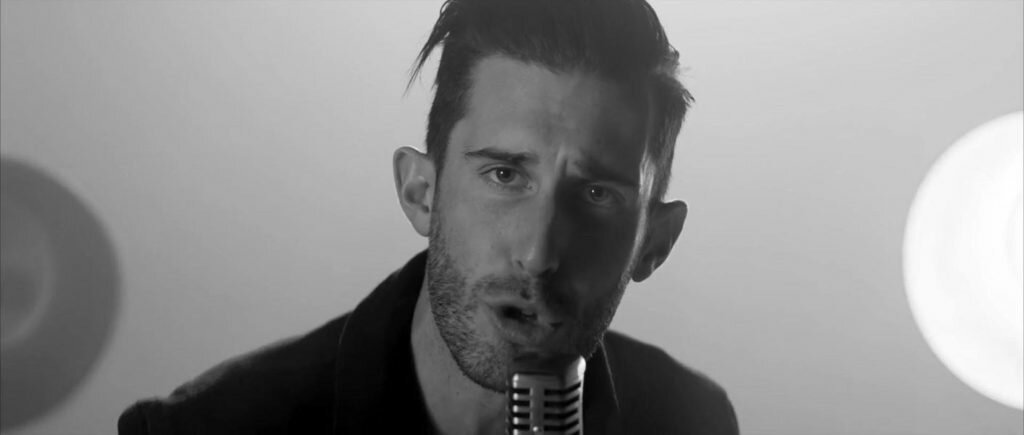
Damm also spoke about his love for Elvis Presley. “I grew up loving Elvis … being in awe of his voice, of how he plays, of his performances, his showmanship,” he said. The Brevet has produced two Elvis cover songs, “Hound Dog” and “Devil in Disguise.” The last one is a cover they produced for a documentary, An Open Secret, which is focused on child prostitution in Hollywood. The song is even featured in the trailer for the film.
While out on tour, The Brevet use social media creatively to stay engaged with their fans. For example, on their Instagram account, the produce what they call “tour diaries.” Damm describes these as a way of “not taking ourselves so serious … it’s about having fun and showing them a little bit of the self-deprecating side of what we do.”
The Brevet have just produced a new album and will be releasing the first single on March 27. They have decided to not release the full album at once, but to drop out one single at a time as they begin their tour.
“Nowadays we live in a time where it’s the instant gratification world and, unfortunately, as much as I love albums – and we will put an album out with all of these songs – people don’t consume it that way anymore, unfortunately,” said Damm. “As much as people want to disagree with that, data shows that you want to have people consuming one single at a time. If we put out a record, a lot of the songs would go a little bit unlooked. We want to give each song the time that it deserves, so in order to do that I feel like you want to focus on each one individually … people can watch us grow as these songs develop and take shape as a new mature Brevet.”
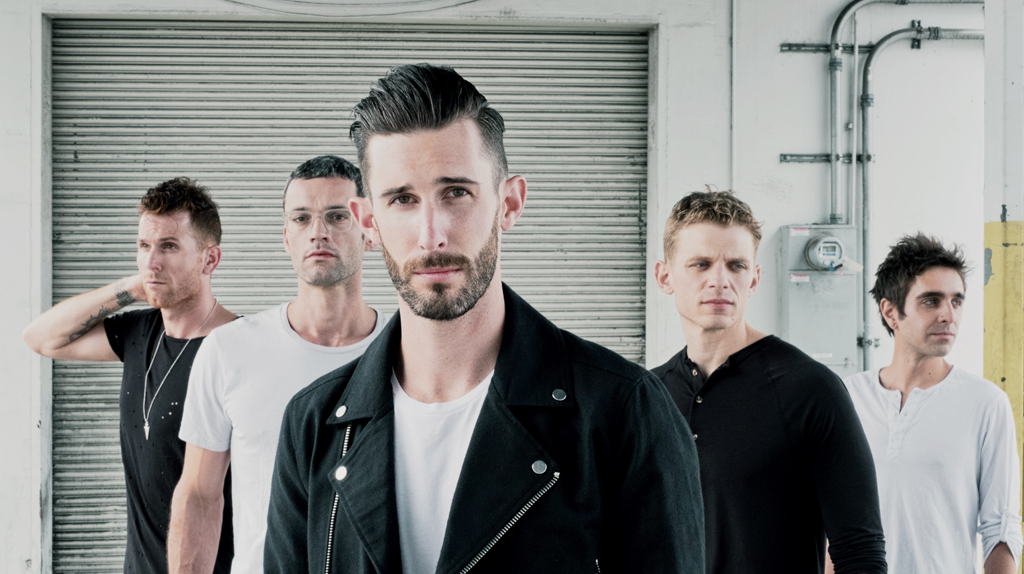
Aric Damm is building a life upon The Brevet. You can listen to the full interview by tuning into Episode 70 of the Agents of Innovation podcast on Apple podcasts, Google podcasts, Stitcher, and SoundCloud. You can also follow the podcast on Facebook, Instagram, or Twitter. We welcome your comments below and encourage you to write a review on Apple podcasts!
]]>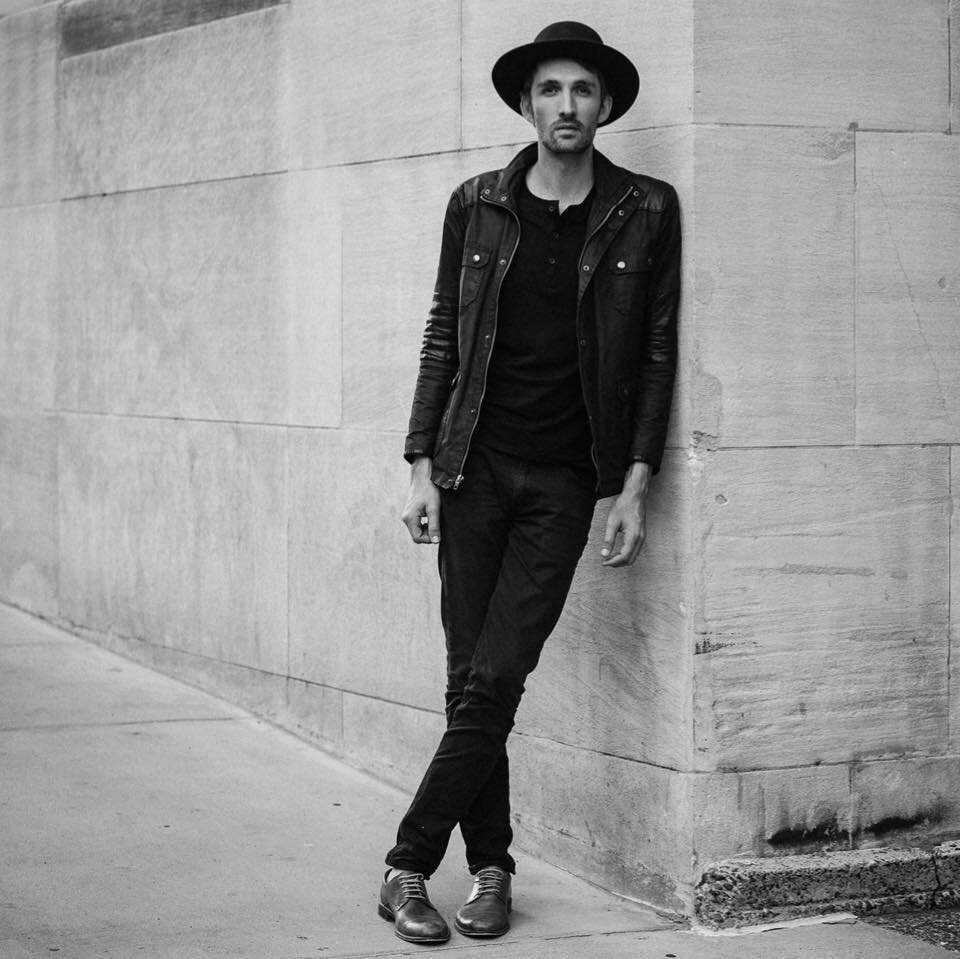
Nine years ago, Josh moved to Nashville, Tennessee. His other four band mates are split between Fort Worth, Dallas, and Nashville. In the past few years, as Josh and two of his bandmates have gotten married and had kids (his two kids are now ages four and two years old) and have each gone into their own entrepreneurial ventures and projects, Josh has remained invested in his music career full-time. He still plays with his bandmates from GRO on about 15 tour dates per year, but he also has a new solo album, writes music for other artists, and plays his own gigs.
We caught up with Josh when he was in Fort Lauderdale, Florida playing the Rock By The Sea “Down South” charity music festival in September.
When Josh joined GRO at the age of 15, the other members of the band (two of them brothers, Jamey and Geoff Ice) were mostly playing blues rock. Josh brought in more of a pop rock sound, with a little bit of a traditional country background, and the blend was magnetic. They played in high school and college, and “dropped out of college together” and toured the country, including playing gigs on The Rock Boat in 2009 and 2010.
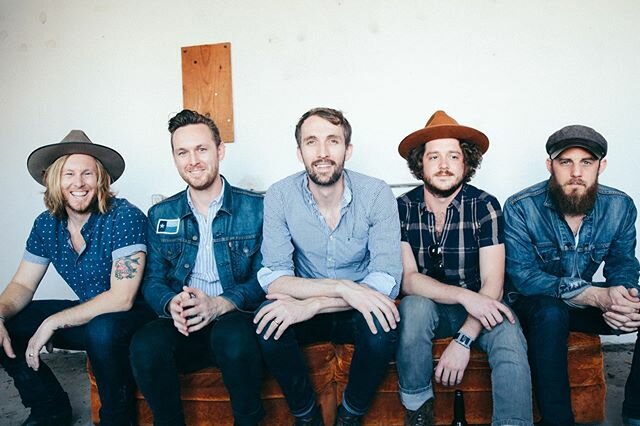
“We were making so little money, enough to survive on, it was this great adventure,” he said.
GRO got a record deal with Capitol Records for their album “Out of My Hands,” which lifted them up even more. They had a top 15 song on the radio, and when they came up with an option for their second record, they passed and went independent. A few of them had met their wives by that time and they needed a break “to go be human and not live in a 15-passenger van.”
For Josh and the band members of GRO, their Christian faith has also always been a vitally important element to their lives and comes through in their music and in how they express themselves on stage.
“That is our lifeblood – our faith,” said Jenkins. “The reality of who Jesus is and his impact on our life is so vitally important and it has only become more important as we’ve grown as people and learn and gone through a lot of stuff, a lot of life. We grew up in the church, but you really find your faith through the struggle and realizing who God is. That’s just kind of always been a part of our music, it’s been vitally important to us.”
While they are not Christian music artists, they don’t shy away from who they are and what the foundation of their life is.
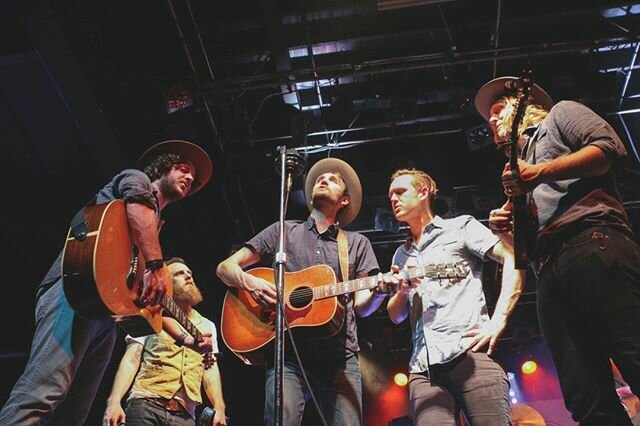
“We’ve always viewed ourselves as people that don’t want to just write songs to the church,” said Jenkins. “We always felt called to be in the bars and go be around people that may not know Jesus, and hopefully bring some of that message to places that don’t get to hear it, or people that won’t darken the door of a church.”
“We’ve never set out to … write a Christian song… those songs are inspired … they are personal, they are not contrived,” said Jenkins. “We’ve never wanted the faith element of who we are to be something we are trying to cash in on. We’re Christians. We always want to be delicate with that element of who we are because it’s something that’s a reverent place within our life that we always want to come natural.”
“If you look at Jesus, a lot of the people who knew him or followed him were not your likely characters. The beautiful thing about that is the Gospel goes everywhere,” said Jenkins. “Representing Jesus is to ‘re-present’ him. For us, we want to present not some church religion Jesus, or some rule-following Jesus, or some strike-you-down-from-the-sky God that creates fear, and so you have to approach him meekly. We wanted to represent the Jesus of the Bible, that would go eat with whoever, the tax collectors, the broken people, the messy, marginalized people; and he really favored them over the religious. For us, going to these places, we get to be around people who do not have a lot of anger or hostility, and we get to gracefully step in there, and, hopefully out of humility, we get to speak about the love that’s greater and the love that meets you where you are, the love that picks you up.”

“We were messy people and so we love grace and love singing about grace and for us going into the bars … we love to have those conversations with people, and even if they don’t believe what you believe, there’s such a beautiful exchange that happens in those places that feels like the Gospel is alive in those places because it’s not in a box. It’s fluid. The Gospel is not contained by some wall and that it can’t exit that wall. Sometimes we separate holy and our life and the Gospel and God’s love goes everywhere. And so, the darkest places, the darkest bars, where the people may have the craziest history … I want to be in those places. I want to be able to reach out and extend that love of the Father to someone and see the Gospel connect with them in a way that would change their destiny, change their life, change the way they view themselves, change the way they view their spouse or their relationships.”
Jenkins also emphasized that purpose and success for him and his bandmates has never been about how many records they could sell. “Success is living out our values and that’s what we value,” said Jenkins.
GRO has also always been the kind of band that encourages its members to do their own projects, whether that be solo music projects or entrepreneurial activities – like the real estate and restaurant ventures that his bandmate Jamey Ice is involved with in Fort Worth.
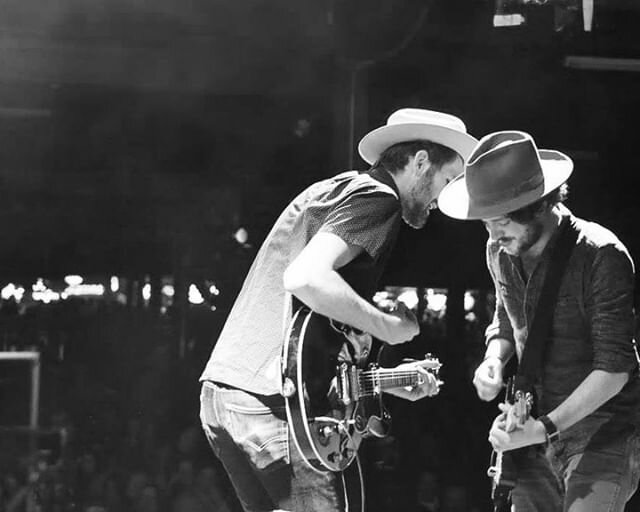
As Jenkins was getting married and having kids, touring full-time was not a fit and the band had to “find the sweet spot” of touring. That also allowed Jenkins to invest some of his time in doing other things in Nashville, including songwriting commercially. Josh and all of his bandmates seem to have a deep faith and a strong entrepreneurial spirit about them and they’ve learned that you always have to be growing and trying new things.
“You’re going to encounter areas of being uncomfortable that are going to stretch you, that you’re going to have to stay hanging there; and you either check out or you can hang in there, and you can see it through,” said Jenkins. “You just realize the importance of hanging in there. Define your goal and be willing to see it through and be willing to be uncomfortable.”
Jenkins said that one of the biggest things he’s learned in life and in his career is “always maintaining the element of teachability… In our business, everything is evolving; and everything is evolving,” said Jenkins. “You kind of get comfortable with the environment and then things change and then you have to reorient yourself to what the new stage is … a level of humility comes with that. You can be successful one day, think you got it all figured out and then the next day, you’re like this isn’t working like it used to, and so you kind of have to stay humble.” His advice to other musicians and entrepreneurs: “Maintain that humility and be teachable.”
At the conclusion of Episode 66 of the Agents of Innovation podcast, we feature Josh Jenkins’ solo song, “A Perfect Mess.” We think that’s fitting since Josh and his bandmates from GRO always seem to bring grace to whatever mess they find.
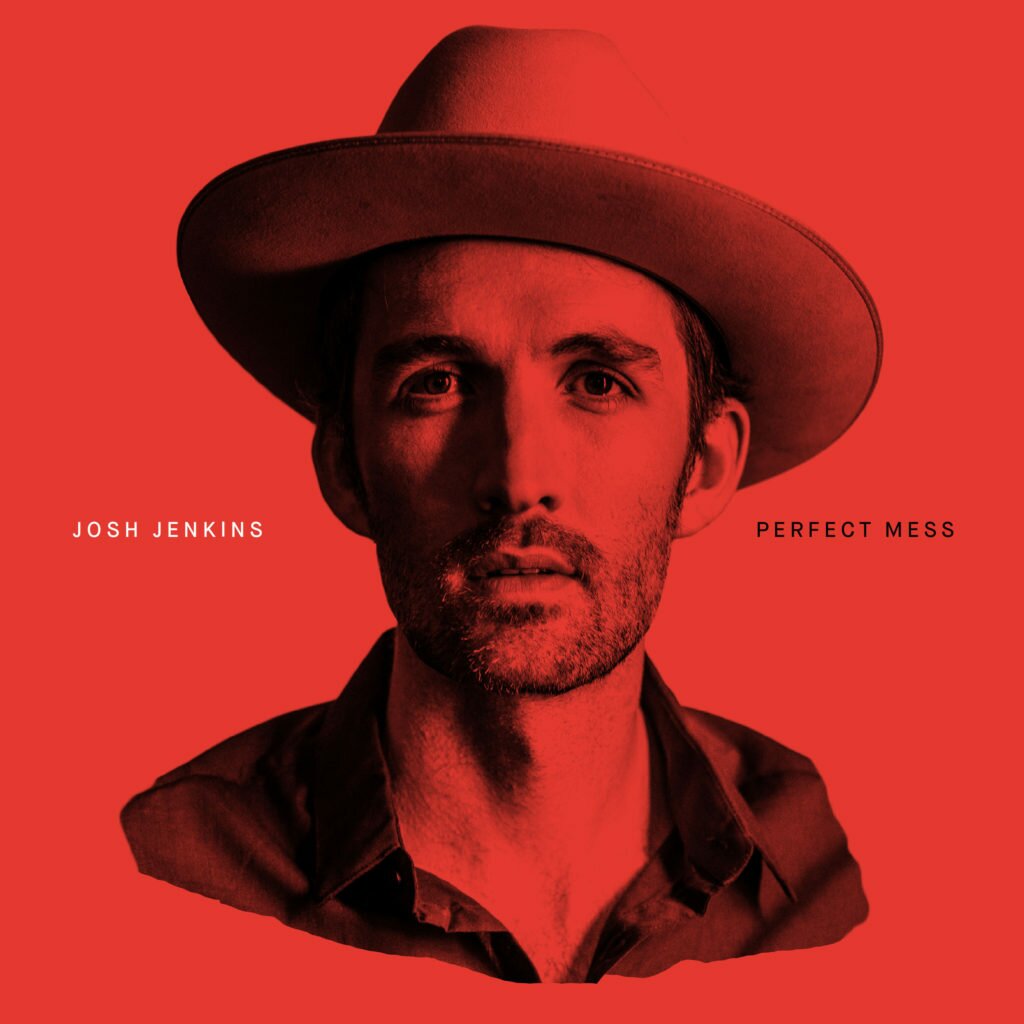
To listen to the full interview with Josh Jenkins, tune into Episode 66 of the Agents of Innovation podcast, which can be heard on Apple podcasts, Stitcher, Google podcasts, SoundCloud, or wherever you listen to podcasts. You can also follow the podcast on Facebook, Instagram, or Twitter. We welcome your comments below and encourage you to write a review on Apple podcasts!
]]>“It was intimidating moving [to Nashville] because you feel like a little fish in a huge, huge pond,” said Brown. “You’re this little small-town hero musician who is on the up and up and then you move to Nashville and everyone is a singer/songwriter. Your dentist is a writer and a performer. So, you kind of have this short-term identity crisis of who am I and what am I and how do I shine here?”
“You find that your only way of making it is being you and being authentic.”
The authentic Matt Brown grew up in a music family, where his dad and grandad played guitar.
“Music was always the centerpiece of my home. With dinner, there was always a record playing in the background,” said Brown. “A sucker for a lot of the nostalgic older stuff,” Matt named some of his all-time favorites he grew up listening to, such as Ray Charles, Ottis Redding, Sam Cooke, Etta James, Aretha Franklin, The Beatles, Roy Orbison, Stevie Ray Vaughan, and Jimi Hendrix. “A lot of that older 50s and 60s era was always playing in the house.”
Since Matt’s older brother played guitar, Matt started on the drums. “I always naturally loved rhythm – I think today, as a guitar player, I think of rhythm a lot when I play because rhythm is the heartbeat and the vibe of everything in a song.”
In the early to mid-2000s, Matt was a college student at Seattle University. At age 20, he bought a guitar at and started writing tunes, singing, and playing open mic nights in Seattle during what he called the “golden era of the singer-song writer.” This was when young people frequented coffee shops and would actually listen to music attentively before smart phones and Instagram were created.
“I’ve been at this for 10 years now,” said Brown. “I’ve seen the transition; I’ve seen the progression from the engagement with me to the engagement with their phone. Even though they are recording the songs or maybe posting about it I still would rather have the prior engagement of people in the moment. I’m throwing myself under the bus here too. Our phones are like a limb now.”
“It’s distracting to see people on their phones all the time as a performer because as a performer the nature of the game is when you see people engaged, you play your heart out that much more … When you see people are into it, you get into it that much more. It allows you to live in the moment as a performer.”
There’s a lesson to be learned here for all of us music fans. Want more from the artist? Put the phone down and pay attention. Live in the moment. Let them feel your energy as much as you want to feel theirs.
“There’s been shows with noise in the background since the beginning of time,” said Brown. “I think for me I realize what you do at that point you play to the people in the room that are listening. Even if it’s two people, you play for them… you have to have nerves of steel.”
After Matt graduated from Seattle University with a finance degree from the business school, he moved back to his hometown and started a business outside Portland, Oregon that allowed him to do music on the side. He grew up in an area where there were a lot of horse farms. As an entrepreneur, he saw a niche market for “wood shavings,” which is the bedding that horses sleep in. He went out and sold it to horse owners / farms. Over five years of having this business, he was successful, had 50-60 clients, and made good income. And, it also was the kind of work he could do that gave him tons of free time to do music on the side.
But in 2014 – he sold his business, put his house on the west coast on the market, and decided to make the move to Nashville to pursue music full time.
“With every passion, you take the plunge at some point,” said Brown. “I was getting comfortable. I think whenever you get too comfortable, it’s good to take risks. And so I said, ‘I want to move to Nashville, get completely uncomfortable and completely take the plunge as a musician, singer-songwriter, touring artist.’”
In his search to keep himself authentic among a saturated market of musical talent and songwriters, he has decided to pursue the kind of music he enjoys and the kind of music that has been a part of him since his childhood.
For him, the authenticity of Matt Brown is “writing songs that make me happy and not everyone else – and not trying to please everyone’s ears because you’re not going to please everyone’s years. You’re going to offend people. You’re not going to make everyone happy. The target is so hard to hit, in terms of making it … you might as well do it being you.”
“If you truly love music and you love songwriting, make sure there is always a piece of you in it. You should always believe what you’re singing lyrically and melodically. And you should always be proud to share songs and eager to share songs. If you’re not eager to share songs, you shouldn’t be performing them, and you shouldn’t be playing them.”
“Nashville is a songwriters town. There’s a lot of people chasing the machine of writing songs,” said Brown, who talked about the amount of collaboration between artist in Nashville.
He likes to keep his tribe small. He co-writes a lot with Ryan Root, a friend he has known since college. They have written over 250 songs together. However, he acknowledged that “you only need one song to get a new fan.” He likes to drip out songs on smaller records because this gives those potential new fans “less clutter to go through” as they search for new music to get into.
While Matt acknowledged a competitive spirit in Nashville, he described it as a “polite competitive” compared to a place like Los Angeles.
“It’s easy to meet with anyone in this town,” said Brown. “Anyone will give you a first meeting or coffee. Anyone will give you the time.”
Matt Brown has opened for acts such as Huey Luis and the News and Chris Isaac. He was also on the “Sail Across the Sun” cruise with Train in 2018, which he described as was “a life-changing experience.” This April, he joined the “Runaway to Paradise” cruise lineup with Jon Bon Jovi, Collective Soul, and Tonic.
To hear the full interview with Matt Brown, tune into Episode 57 of the Agents of Innovation podcast, which can be heard on Apple podcasts, Stitcher, or SoundCloud. You can also follow our updates on Facebook, Instagram, and Twitter. We welcome your comments below!
]]>On Episode 55 of the Agents of Innovation podcast, Leahey recalled “growing up at a time when I think just casual FM radio was really, really good – at least for a person of my tastes,” said Leahey. “It was a lot of rock and roll music – it was a lot of really big-sounding rock and roll music. So this album is us getting back to that.”
Leahey says his style of music “feels good to play… getting back to where I began not as a musician but just as a music fan.”
When he was growing up, radio “was the greatest educator in terms of music,” said Leahey. “My earliest memories of listening to the radio are right before grunge really hit. Back then, you could listen to whatever local FM pop music station there was and you could still hear rock and roll on it. So I heard Tom Petty and Bruce Springsteen and John Mellencamp and Bob Seger.”
“That kind of music – it just kind of created the bedrock of what feels natural for me to hear. That’s kind of my musical home base. The new album [Airwaves] scratches that itch to get back to that,” said Leahey.
And that’s what the title track belts out with its sound and with lyrics like: “Where’s all that heartbreak headed? I used to hear it on the Airwaves.”
“The tune itself – Airwaves – it kind of pays tribute to the radio and to growing up listening to that,” said Leahey. “It’s also a rallying cry to bands like myself and our contemporaries – it’s like a reminder that people are listening … I think it’s good for bands to remember that; that people are listening, that people are letting their worldview take shape and we need to make a thing that’s worthy of that because otherwise, why are we doing this?”
Leahey’s path to being a lead guitarist and lead songwriter for a rock band with a big sound wasn’t a direct one. Andrew grew up in Richmond, Virginia. His mother was a classical vocalist – and a pretty good one. She was frequently hired to sing at weddings, funerals, and church services. And she left her mark on Andrew and his brother when she had them take vocal lessons at a young age.
Through middle, high school, and college, Andrew did a lot of academic-minded classical music as a vocalist. He performed in choirs and chamber choirs. He attended the University of Virginia in Charlottesville and then found his way to New York City, where he spent two years performing with a choir at Julliard – which gave him and his choir an opportunity to perform at many places including Carnegie Hall, reaching some of the heights of vocal music performance.
“It took me climbing up that ladder and getting fairly high on it and looking around to realize it wasn’t exactly what I wanted,” said Leahey. From a young age, he was interested in music, and when his mother told him he needed to consider a backup career, he told her planned on being a music journalist. We aren’t quite sure that’s what she had in mind.
In his mid-20s, he moved out to Ann Arbor, Michigan, where he also got married. From there, he took a job at AllMusic.com – as their pop editor for four years. He also wrote columns and reviews for Rolling Stone, American Songwriter, Spin, Paste, The Bluegrass Situation, and The Washington Times. For him, it was a great crash course in music history – looking at artists he liked and what their influences were – and it really helped with his writing. He continues to write for some of these sources today, most often with an alias, so that readers are not confused by Andrew Leahey the musician and Andrew Leahey the music journalist.
But writing about music wasn’t enough. He had the itch to play and perform and he and his wife considered moving to many places where he could do just that. “I wanted to go to a town that would really kick my butt and just really light a fire – light a nuclear blast under me.”
He considered options like New York, Los Angeles, Seattle, but he ended up choosing Nashville, where he has now lived for eight years. Well, kind of. Andrew’s wife is enrolled in veterinary school at the University of Tennessee in Knoxville, which is nearly three hours from Nashville. So, Andrew splits his time between the two cities. Therefore, even when he and his band are not touring, he’s always on the road during this season of his life.
After arriving in Nashville, Andrew really beefed up on his guitar skills and worked his way towards becoming a lead guitarist for Elizabeth Cook, Rodney Crowell, McKayla Ann, Jamie Kent, John Latham, Will Hoge, Drew Holcomb, and others. His main gig with alt-country artist Elizabeth Cook has even given him opportunities to play at the Ryman Auditorium and the Grand Ole Opry.
Andrew is also the lead singer and lead guitarist for his own band. “Now that I’m the lead guitarist, the guitar riffs are always going to come from me, the writing clearly comes from me. I’m the lead singer as well. It helps strengthen the identity of what Andrew Leahey & The Homestead actually is.”
Even with the establishment of that rock and roll identity, Rolling Stone magazine recently put him in the category of the “Top 10 Country Artists You Need to Know.” However, they did say that his music is “for fans of Tom Petty, Bruce Springsteen, and Ryan Adams.”
“It’s been interesting to me the confusion or the muddiness of what kind of music we play,” said Leahey. “To me, it’s clear rock and roll. It’s not classic rock, but it’s a classic approach to rock and roll.”
“Part of our identity and part of what we’re also trying to get people to rally behind … is this idea that we’re big fans of this kind of music, of this time period when this music was king … that’s part of what this new album’s identity is,” said Leahey.
But how does a band like his find an identity in American pop culture when there are seemingly infinite ways of getting music – not from the radio airwaves – but digitally through Apple Music, Amazon, Spotify, Pandora, and other streaming services?
“As a musician …it’s hard to be raised at the time when we were raised, when there was one kind of clearer way of how bands came up through the ranks and then when it actually becomes your turn, those rules have all changed. But I’m coming around to making peace with it.”
In some ways, he is cutting through the clutter. Rolling Stone wrote that his “upcoming LP, Airwaves, is a celebratory mix of sharp storytelling and fist-pumping rock & roll swagger,” and they named the title track their “song of the day” in early February.
But life has also thrown Andrew Leahey some curve balls. In 2014, he was diagnosed with a brain tumor – which grew on his hearing nerve. It threatened not only his life, but his hearing in his right ear, and his balance. The doctors told him there was a 50% chance he would lose hearing in his right ear, due to the surgery. For a musician and music journalist, that would also be career-threatening. “It’s precious real estate in there,” said Leahey.
After a long operation and long recovery, the tumor was removed, his life was saved, and his hearing wasn’t damaged. In fact, even though half of his head was shaved for the surgery, his long rock and roll hair grew back. “I was just really, really pumped to be ok and to get my life back on track.”
Now he meets many fans who have gone through similar life-threatening situations who can relate to him and his story. “It moves me in a way that I can’t even articulate when a person comes up to me after a gig and they’ve gone through what I’ve gone through as well. That’s incredible,” said Leahey. And even for those who have not had a tumor (his was benign) or a life-threatening issue, Andrew says “everyone has their own trial.”
One of those people is now his mother, who is suffering from Alzheimer’s disease. This is a trial that not only afflicts the person with the disease, but also their family and friends who travel the painful journey of a loss of memories between loved ones.
This past year, Andrew Leahey & The Homestead won a battle of the bands contest and were invited to play on The Rock Boat – “the world’s largest floating music festival” in February 2019. Prior to that, Sixthman, the company that runs The Rock Boat, also invited Andrew to join a handful of other artists on a songwriting retreat. Twice each day, Andrew was paired with a different artist for one-on-one songwriting sessions.
“The penultimate night, I had this idea in my head, and I ended up writing [a song] alone and it’s about my mom who has Alzheimer’s,” he said. His mother was a teacher for many years and Andrew recalls that, “She’s the reason I write as a journalist, she’s the reason that I play music because she put me in lessons when I was a kid. It’s a bummer – that’s an understatement – to be doing this thing right now and not be able to share it with her properly.”
For now, the song “New Memories” can only be found on the Sixthman Sessions album for those who attended The Rock Boat. “It’s about her and the process of us continuing to have good times together, but knowing that to her those memories get washed away.”
Andrew and the other artists in those Sixthman Sessions played a unique show on The Rock Boat that is only open to “veteran” fans who are not on their first Rock Boat experience. Andrew was given the opportunity to play it live for those fans. It was emotional for everyone in attendance.
“Playing it on The Rock Boat and talking to so many people that came up afterwards who have had that disease come to their families that was one of the highlights of the whole trip for me,” said Leahey. “You really realize that music goes beyond you.”
Whether music helps bring consolation to people in their trials or helps them experience the emotions of love and life – it’s clear what Andrew Leahey & The Homestead are doing with their new album, Airwaves: they are producing that good ol’ fashioned rock and roll for today’s audiences who have been waiting for the lights to come on.
To listen to the full interview, tune into Episode 55 of the Agents of Innovation podcast on
Apple Podcasts, Stitcher, or SoundCloud. You can also follow the podcast on Facebook, Instagram, or Twitter. We welcome your comments below!
]]>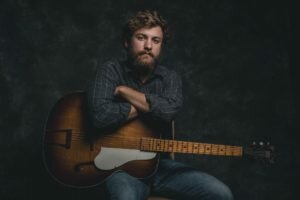 “By the time I was 15, I was pretty sure [a career in music] is what I wanted to do,” says Fowler, who is now 24 years old.
Growing up in Orlando, he was raised by an entrepreneurial father, who had a fine dining establishment called “Journeys” in Orlando. When Matt was 13, he started working in the restaurant as bus boy. Being that it was a fine dining restaurant with high-end clientele, he had to carry himself with an air of legitimacy. He also learned how to present himself to people and how to talk to adults at a young age. He learned a hard work ethic, working Friday nights, Saturday, and Sunday brunches.
Matt’s dad was a chef who had converted a storage unit into a kitchen for catering. At night, Matthew would set up the kitchen as a recording studio and kept playing and recording until he liked the way it came out. That’s where he recorded his first album, where he sang, played guitar, and harmonica, while other friends sang back up and performed other instruments, including the bass. “It’s what makes it sound true. There were no frills on that. It was just a couple of us in the room playing instruments together.”
After high school, he completed about three-fifths of his A.A. degree at a community college. His parents weren’t very well off, so he didn’t have a lot of money to go to college.
“I wasn’t sure about college. It’s a big investment and I didn’t think I was at a point where I wanted to make that investment. And I wasn’t sure what I wanted to do necessarily,” said Fowler. “I always thought music was wonderful and I felt like I didn’t need a degree to do the things that I wanted to do with music.”
“I think a lot of people in college could be doing a lot more for themselves. I just see a lot of people going to college because it’s the “next step” – and that to me is a mistake. I think people should go to college if they know what they’re looking for because it’s expensive and it’s a time commitment,” said Fowler. “I see a lot of people not working as hard as they could sometimes.”
He learned a lot of his entrepreneurial skills from his dad, who told him if he was going to pursue music, not to simply do it as a hobby, but to “make it a career.” So, he created a plan.
“Like anything, being a musician is like owning a small business. You invest in it. You try to find the people that know what they’re doing the best in it – and hire them.”
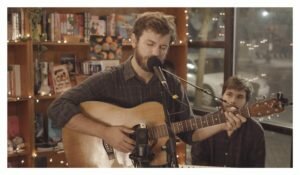 While Matt had an album, he had very little experience in the music industry. The first thing he did was fin a manager, Steve Foxbury (of the 90s band, “My Friend Steve”). Steve was both a source of encouragement and challenged Matt to become better. They then worked together to find a PR company he could work with and afford. He then went on tour all over the country and opened for many acts, as a singer-songwriter, where he found receptive audiences.
“I think people like to see someone young going for something that they believe in,” said Fowler. “It got me step closer to being what I would call a legitimate touring musician and a legitimate songwriter.”
Early one, one of his biggest challenges was getting shows. He counted that as a musician, “you’re trying to expand but no one knows who you are outside of your circle. You’re taking a risk, but the person booking the show (the venue) is taking a risk too.”
“The booking process is very long and arduous – it’s like just a bunch of email all the time,” said Fowler. “That aspect of it is not my favorite part of it – but it’s like anything, the administrative part, it’s gotta be done. Every job has that part. Getting that initial booking – or meeting – is just the hardest part. You’re trying to convince somebody half way across the country that you’re a financially sound investment … You’ve never been there and they’ve never met you before or heard you play live – it’s a weird, weird thing … As time goes on, it gets better and better – you establish markets, you play at the same places over and over again.”
Matt reminded us that, “there’s an unrealistic pop culture view of a musician lifestyle. I don’t think people realize how much work [being a musician] is … I don’t party at all. I work a lot.”
 Two years ago, he moved to Gainesville. Around the same time he moved there, a new venue was opening around the same time, Heartwood Sound Stage, which is a listening room with a 150-seat theater and the venue is often used to film shows. Matt became the de facto manager, where he learned to do video work, audio work, and camera work. He learned the skills of managing a music venue, including talking to bands, booking bands, ajd setting up shows.
“I wasn’t playing a lot, but I was learning a lot,” he says. These skills have now made him a lot more effective on the road with cameras, videos, photos. He knows the technical side of how things work, which has also helped him book shows as well as create great content that he is able to put online as he builds his fan base.
“When I was younger, I didn’t realize how long things took, how long it takes. I’ve grown a little bit since then and I’ve worked a lot since then,” says Fowler. “The common phrase is that it takes ten years to create an overnight success in the music industry and that’s true. There’s a lot of work that gotta be done. I’m not shying away from that. I’m excited about that.”
“It just takes time and persistence and you get better at your craft and you get better at everything. I think people throw the towel in a little bit early because it is difficult. Having a career in anything takes ten years … it takes time where you want to go and that’s a big investment and you have to be willing to put that investment in.”
Matt decided taking on a music career was more important than college. But he also feels fortunate that he learned what he wanted to do earlier than most people do. “I feel like I’m pretty lucky to know what I’m passionate about and what I want to work towards and I think a lot of people spend a lot of years searching for that,” says Fowler.
Since that first album he put out five years ago, he also has an EP and is working on a second full album. But he’s taking his time with the writing and production, as he’s working towards having this second album put him a little more on the map.
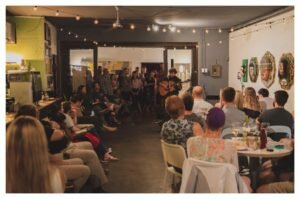 In the meantime, Matt is all over the map. With his friends, the Prado Sisters, he is currently on a national tour with 40+ shows from coast-to-coast. For those wanting to catch him on tour or simply download some of his music, you can visit MatthewFowlerMusic.com.
You can listen to our full interview with Matthew Fowler on Episode 47 of the Agents of Innovation podcast on Apple podcasts, Stitcher, or Soundcloud. You can also follow the podcast on Facebook, Instagram, or Twitter. We welcome your comments below!
]]> Nicholas Roberts started playing live music to audiences while in college at the University of Florida in Gainesville. Following graduation, he and one of his bandmates moved to Nashville to pursue a music career. Two years later, the band broke up. He had been working as a substitute teacher at a public school, and he was continuously broke. His side job as a waiter wasn’t enough. Plus, his family and girlfriend were back in Orlando. So he looked at coming back to Florida.
When he first started playing music, Nicholas had long hair and thought he’d be in a heavy metal band. Today, his hair is shorter and he plays indie pop music.
Just before moving to Nashville, while he was still in college, he had written and performed a few songs that got picked up by a few MTV shows, including Jersey Shore and Catfish. Every time one of those shows aired with his song, Nicholas received royalty checks. It was a little bit of income that was coming in as he was on his way to Nashville. But over time, those royalty checks also declined in value. His band performed in various locations in Nashville as well as toured in places nearby in the South and Midwest. “It felt like the ball was rolling, it was unfortunate that the band ended the way it did,” said Roberts.
 However, all was not lost. “Getting to see a little bit more of the inner workings … just being in Nashville around other people doing it helped me kind of process and get a better understanding of what was going on around me.” He was able to connect with other songwriters in Nashville – including at “writers’ rounds.”
Outside of the music career experience, he gained a lot of other life experience while living in Nashville. “There was just a lot of growing up that I had to do in a very short period of time,” said Roberts. “The brass tax of it – the kind of the reality of being broke and having to figure it out in real time was kind of the first time I jumped out into the open ocean, kind of on my own … Seeing what the hustle looked like, seeing how other musicians were making it work, outside of just tangible music things … emotionally and where my head was at, I feel like I learned a lot just about trying piece everything together all the time.”
Once he moved to Orlando – he followed his girlfriend there – he got a full-time job outside of music, doing PR & marketing at a tech startup. And, he continued to play music on the side. After two years in Orlando, his employer was bought out by a larger corporation. At the same time, he decided he wanted to go all in with music, while continuing to do contract work for another tech startup, where he works part-time and helps other entrepreneurs with their PR & marketing. “Some of the things I learned working for a startup was: Don’t be afraid to fail, content is very important,” said Roberts.
 With this new flexible work schedule, he has been able to release one new song each month for the past 11 months. Some of those songs have already been placed in film and television shows including on MTV, ABC Family, as well as some shows in the UK & other European countries.
“I wanted to get better, so I kind of dove head first into this project that I started very informally.” He decided to “keep learning the craft because I’m passionate about how the craft of music works. And not putting something out because it’s not perfect – just working through that process mentally – knowing that nothing is every going to be perfect. If I want to keep getting better I can’t hide behind that idea of not putting something out.”
“Independent musicians now more than ever have to know how to book their own shows,” said Robert. “They have to own their own business and have to know the ins and outs of that.”
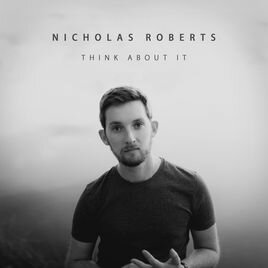 Nicholas has really enjoyed diving into the Orlando live music scene. “Orlando has changed so quickly. There’s been so much talent. The food culture, the entrepreneurial culture has brought so much vibrancy to this city,” said Roberts.
“Touring in Florida is difficult for big bands that are on the road, it’s kind of out of the way. I think as a byproduct of that – people that live in Florida as a whole – have had to adopt this DIY culture because the resources weren’t there.” So, many Florida artists are used to putting on their own shows with other Florida artists. And the energy is really building among many local artists like him who are diving in and taking their talents to growing audiences.
You can find Nicholas Roberts and his music at nicholasrobertsmusic.com. To listen to our full interview with Nicholas Roberts, check out Episode 42 of the Agents of Innovation podcast on iTunes, Stitcher, or Soundcloud. You can also follow the podcast on Facebook, Instagram, or Twitter.
]]>
 We recently caught up with Tony just before his show at the House of Blues at Disney Springs in Lake Buena Vista, Florida to record Episode 37 of the Agents of Innovation podcast. That evening, he opened for Jonny Lang, who he been touring with across the Southeast.
While Tony’s first passion was music, he successfully auditioned and was cast as a member of the Mickey Mouse Club. He was with the hit Disney Channel television show for four years, alongside fellow cast members Justin Timberlake and Brittany Spears. From there, he followed the momentum of his acting career to Los Angeles where he appeared in various television shows, commercials, and films. While he enjoyed his time acting, he “wasn’t in love with it.” He wanted to get back to music.
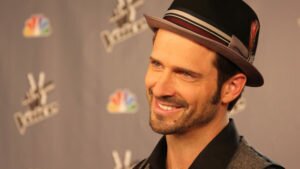
“If you want to have a credible music career you have to establish yourself as a musician-artist first and then you can cross back over to film and television,” said Lucca. That he did — over the next 15 years, he put out numerous albums and successfully toured. On his average night as an artist, he played for crowds of 75 to 100 people most places he went. But in 2012, after participating in a blind audition, he landed a spot on NBC’s The Voice, where he went through the entire season and was the second runner-up.
After his stint on The Voice, his crowds doubled to several hundred people a night. He made a lot of new fans, was signed onto Adam Levine’s label, and toured with Maroon 5 and Kelly Clarkson.
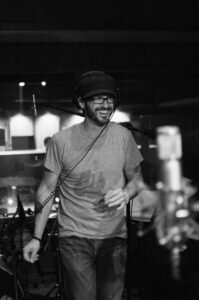 Since then, he has moved to Nashville with his family. “If you want to be a ski instructor, go where the snow is,” said Lucca. “If you want to write songs, get your butt to Nashville.” When he’s in Nashville, he writes 3 to 5 days a week, and plays an occasional show. During the touring season, he can spend weeks on the road at a time. And it doesn’t hurt that some of his old friends, like Justin Timberlake, are mega-famous, willing to collaborate, and always inspiring.
Tony let us know that sometimes he is called upon to guest lecture in college classrooms, particularly for people looking to find their way through the music industry. He often talks to them about his own background, the many crossroads he faced along the way, and the decisions he made.
His advice to young people is to “find that balance of passionately fulfilling your dreams … visualize what you want and go after it.” He also adds that what’s most important for anyone in taking the next steps in their career is “finding a source of accountability and someone who you respect and who has your best interest at heart and can give you honest, constructive criticism and not just surrounding yourself with yes men.”
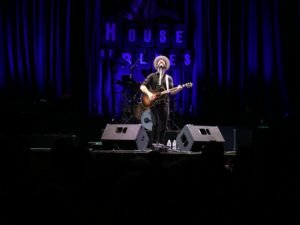
He also cautions about early success. “Don’t think that any one opportunity is everything because it’s not. It’s just a step in a direction,” says Lucca. “Find the stepping stones and plant your feet squarely on them and don’t half-step.”
To step through time with Tony Lucca, listen in to the full interview with him by tuning into Episode 37 of the Agents of Innovation podcast on iTunes, Stitcher, or Soundcloud. You can also follow the podcast on Facebook, Instagram, or Twitter. You can find more of Tony Lucca’s music on his website at tonylucca.com.
]]>

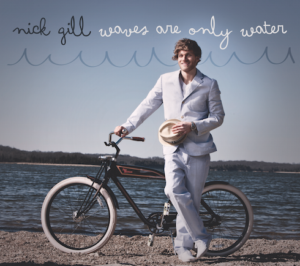
Nick Gill is a man of many places but also many talents. He was born in Washington, DC, raised in Fairhope, Alabama, and is currently living in Nashville, Tennessee. After high school, he didn’t take the usual route to college. Instead, he pursued his talents as a musician and went to Nashville.
He went down Nashville’s famous “Music Row” and gave his music to as many people as possible. Between 2006 and 20012, he released five albums. His latest, Waves Are Only Water, scored him some notoriety and many gigs across the South.
He then decided it was time to get back to school. He moved to Auburn and attended community college before moving back to Nashville to pursue degrees in business and marketing at Lipscomb University. He graduated this past May and is now keeping his options open while he keeps his dreams alive.
In addition to writing and playing music, Nick has also dabbled in acting and music production for other emerging artists. In fact, today he is putting more of his time and energy into those pursuits.
On the acting side, Nick has been an extra in big films like Hunger Games: Mocking Jay Part 2. “I love being a small part in a big film,” says Gill. He has also appeared in television commercials and had some lines in television shows, including a recent gig he had on the show Nashville.
He typically does a lot of self-recording auditions, where he records an audition at home and sends it on to casting agencies or film companies. He has a booking agent that helps him identify potential roles. If a few bigger ones were to come through, a move to Los Angeles, or even Atlanta, to pursue an acting career, is something he is also considering.
With today’s technology making music production more accessible for the average person, Nick also uses that opportunity – in his house – to work with other artists. “I love the avenue that music production has opened up for me. I can work on other people’s projects,” said Gill. “I love being… the support system. The spotlight is fine, but I just like exploring within Logic, getting to discover new sounds, and making samples. It’s just really interesting to me.”
Of course, the music and acting industry aren’t easy arenas to make it in. Sometimes you just got to pay the rent. He has picked up jobs waiting tables at restaurants and he is currently taking real estate courses. His dad has been in the real estate industry in DC for a long time and it’s an option he is considering if the music and acting don’t deliver enough food on the table. “The main thing is trying to find a flexible job so that I can also pursue my creative passions as well,” said Gill.

On Episode 32 of the Agents of Innovation podcast, Nick allowed us to play his song, “When I Worship You.” While most of his music is not worship music or even “Christian music,” he said that he just writes what he feels. “Whatever comes out, comes out, as far as singing or writing. I’m a Christian. If I have something on my mind or something that I feel needs to be expressed, it’s going to come out,” said Gill. “I don’t like to be put in a box. I just like to write and if I like the song, I’ll put it out.”
Nick Gill has lots of paths he could take, but he’s keeping all the options open. “Whatever it is you want to do, just go for it, but be realistic,” he says. “You really have to love it – whatever your passion and gift is. You really have to go for it, but be realistic and be humble.”
To learn more about Nick or follow his current projects, visit: nickgillmusic.com or check out his acting roles on IMDB.com. But first, be sure to tune into Episode 32 of the Agents of Innovation podcast, which you can find on iTunes, Stitcher, or Soundcloud. Then, be sure to leave comments below or on the Agents of Innovation Facebook or Twitter pages. And follow the posts on Instagram!
*** Review the podcast on iTunes and let us know! We will then give you a thank you shout out on a future episode of the Agents of Innovation podcast.
]]>